
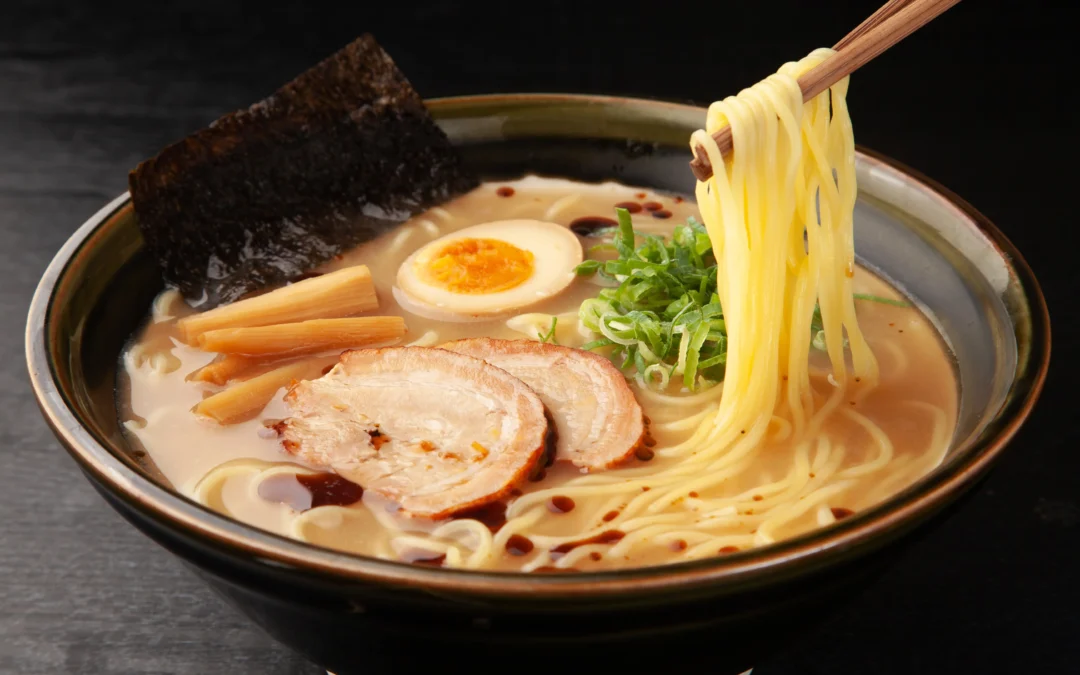
Ramen has become one of the most recognizable Japanese dishes worldwide, but there is a vast world of difference between a gourmet bowl and the instant varieties many people grew up with. While those convenient packets have their place in a quick kitchen, authentic ramen is a labor-intensive craft that relies on precision, timing, and high-quality ingredients.
Understanding what makes authentic ramen involves looking closely at the broth, the noodles, and the delicate balance of flavors that define traditional Japanese standards. Each component, from the alkalinity of the dough to the temperature of the fat, plays a vital role in creating the depth, texture, and aroma that characterize a well-prepared bowl.
According to the World Instant Noodles Association (WINA), global consumption reached a record high of 123.07 billion servings in 2024. This surge in popularity highlights a growing global appetite for noodle-based dishes, with diners increasingly seeking out authentic restaurant experiences to see how the “real thing” compares to the staples they have at home.
What Are the Different Types of Traditional Ramen Broth?
The broth forms the foundation of every ramen dish. Unlike Western soups, which might be made in an hour, traditional ramen broths are developed through grueling cooking processes that extract flavor from ingredients such as pork bones, chicken, or seafood.
The Four Primary Bases
These broths are often simmered for many hours to create a rich and complex flavor profile:
- Shoyu (Soy Sauce): A clear, brown broth that is savory and light. It is the most common style and offers a classic, approachable taste.
- Shio (Salt): The oldest style, typically clear and pale yellow. It is light on the palate, allowing the base chicken or seafood to shine through.
- Miso (Soybean Paste): A thick, opaque broth with a nutty, complex flavor. It originated in Hokkaido and is perfect for colder weather.
- Tonkotsu (Pork Bone): This rich, creamy broth is made by boiling pork bones at a high heat until the marrow emulsifies, creating a milky, luxurious texture.
Why Are Noodles So Important in Authentic Ramen?
The noodles are just as important as the broth in a well-balanced bowl. You can’t simply swap one noodle for another. A traditional Japanese noodle guide highlights how thickness, wave (curly vs. straight), and elasticity influence the overall experience.
Ramen noodles are unique because they contain kansui (alkaline water), which gives them their signature yellowish hue and springy texture. Different ramen styles pair specific noodle types with particular broths to create a balanced dish. For example, a heavy Tonkotsu broth usually pairs with thin, straight noodles to cut through the fat, while a lighter Shoyu broth might use wavy noodles to “catch” more soup in every bite.
How Does Authentic Ramen Differ From Instant Ramen?
Many people first experience ramen through packaged instant noodles, but comparing real ramen vs instant ramen is like comparing a hand-tossed Neapolitan pizza to a frozen snack pizza. The difference comes down to preparation time and ingredient quality.
Authentic ramen uses fresh, alkaline noodles and broths made from scratch, without heavy reliance on powdered MSG or high-sodium flavor concentrates found in flavor packets. While instant ramen offers undeniable convenience, it rarely replicates the “mouthfeel” of fresh collagen or the nuanced aroma of hand-rendered lard and aromatics found in traditional recipes.
What Ingredients Are Commonly Used in Traditional Ramen?
Authentic ramen often includes a combination of carefully prepared ingredients that add layers of texture. These additions contribute flavor that complements the broth rather than overpowering it.
Common Toppings
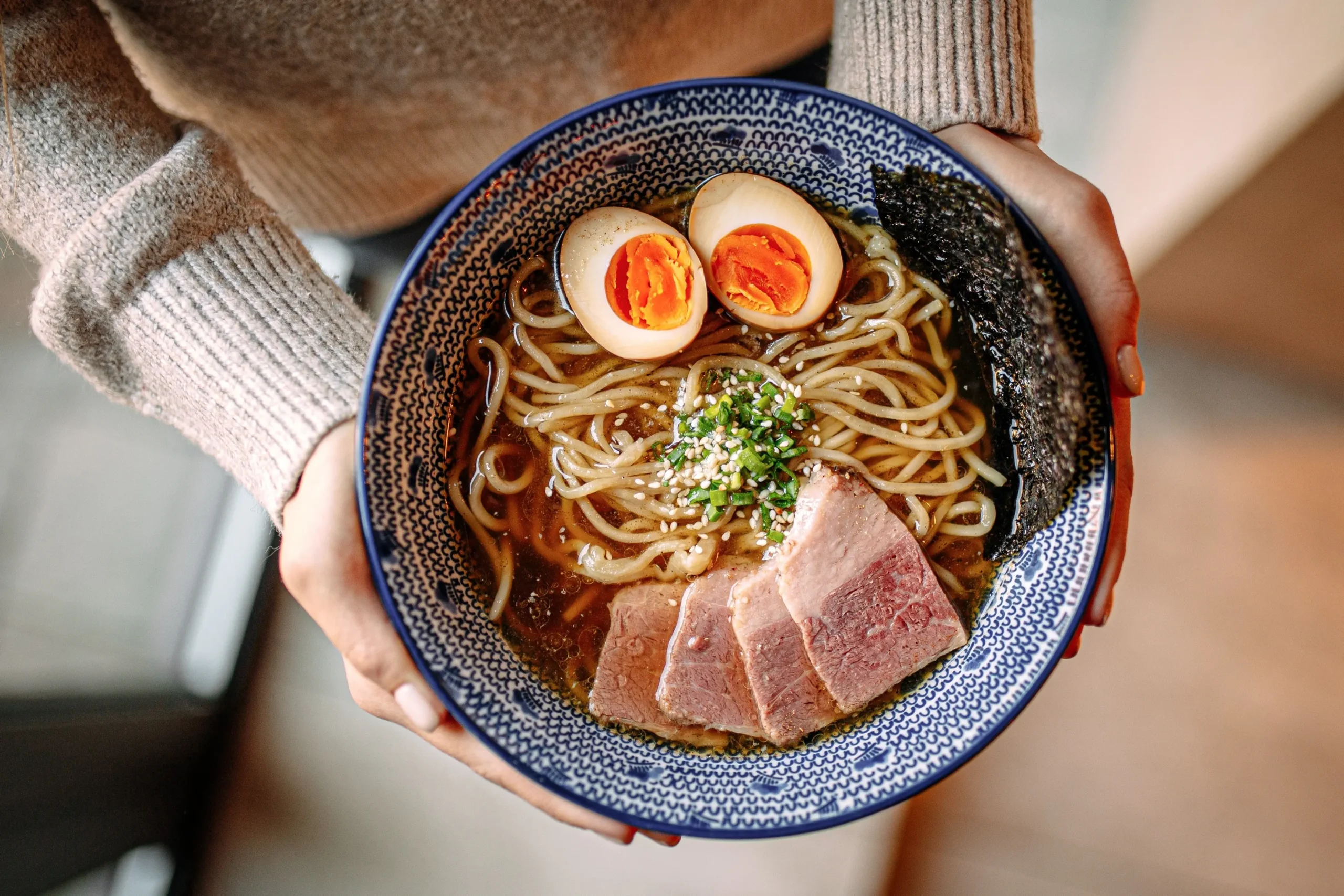
- Chashu: Tender, braised pork belly or shoulder.
- Ajitsuke Tamago: A soft-boiled egg marinated in soy and mirin, featuring a jammy yolk.
- Menma: Fermented bamboo shoots with a salty, earthy crunch.
- Nori & Negi: Dried seaweed and fresh green onions for a bright finish.
Where Can Diners Experience Authentic Japanese Cuisine in Miami?
Finding a restaurant that focuses on authentic preparation can enhance your ramen experience. At Hibachi Yume, we prepare Japanese dishes inspired by traditional techniques and fresh ingredients. Our menu reflects a commitment to flavor and presentation that highlights the fundamentals of Japanese cuisine.
Whether you’re visiting for the first time or are a seasoned fan of Japanese flavors, our atmosphere and dedication to quality ensure a memorable meal.
What Do Guests Say About Their Dining Experience?
Customer experiences can help you feel more confident when trying a restaurant for the first time. Here is what some of our guests have to say:
- “My wife loves this place can’t get enough of the Ramen soup. The staff is also very nice.” – Kenneth, T.
- “Excellent food, service and price. Quick ramen and hibachi. Will keep coming back for both ramen and hibachi options.” – Juan, V.
Why Has Ramen Become So Popular Worldwide?
Ramen has grown from a traditional Japanese dish into a globally recognized comfort food. Many diners appreciate ramen for its balance of flavors, customizable ingredients, and satisfying texture.
The numbers reflect this global obsession. According to recent data from Fortune Business Insights, the global market for noodles and ramen is projected to reach over $98 billion by 2032. This growth is driven by a worldwide shift toward “authentic ethnic cuisines” and a desire for high-quality, convenient dining. Understanding what makes authentic ramen helps diners appreciate the culinary tradition behind one of Japan’s most beloved exports.
Ready to Try It Yourself?
If you enjoy Japanese cuisine and want to experience dishes prepared in the authentic style, exploring a restaurant menu is a great place to start. Explore the Hibachi Yume menu today to discover flavorful dishes prepared with traditional inspiration. We can’t wait to serve you!