
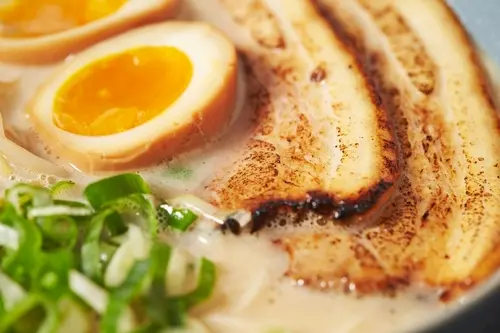
How to Choose Healthy Yet Tasty Hibachi or Ramen: Lean Proteins, Veggies, and Customizations
Choosing healthy hibachi options does not mean giving up bold flavors or satisfying meals. Hibachi and ramen are both rooted in Japanese cooking traditions that emphasize balance, fresh ingredients, and thoughtful preparation. When ordered with intention, these dishes can be customized with lean proteins, vegetables, and lighter cooking methods that support a wellness-focused lifestyle while still delivering the taste people love.
What Makes Hibachi and Ramen Healthy When Chosen Carefully?
Hibachi and ramen can be healthy when meals are built around lean proteins, vegetables, and balanced portions rather than heavy sauces or fried ingredients. Traditional Japanese cuisine focuses on harmony between flavors, textures, and ingredients, which naturally supports more mindful eating.
Both hibachi and ramen are highly customizable, allowing diners to adjust protein choices, vegetable portions, and preparation styles. This flexibility makes them strong options for anyone looking to enjoy healthy Japanese food without compromising on taste or satisfaction.
What Are the Healthiest Hibachi Options to Order?
The healthiest hibachi options focus on grilled lean proteins and vegetables prepared with simple seasonings. Hibachi cooking relies on high-heat grilling, which enhances flavor without needing heavy coatings or breading.
Lean protein choices often include chicken, shrimp, or seafood, paired with generous portions of grilled vegetables like zucchini, onions, mushrooms, and broccoli. These vegetable-forward plates add texture, flavor, and variety while keeping meals lighter and more balanced.
When diners look for low-calorie hibachi, the key is choosing simpler preparations and prioritizing vegetables rather than rich sauces or oversized portions.
How Do Lean Proteins Improve Hibachi Nutrition?
Lean proteins help make hibachi meals more satisfying without excessive fat. Protein plays a key role in helping meals feel complete and filling, which can support balanced eating patterns.
In hibachi dishes, lean protein hibachi options pair naturally with vegetables and rice, creating meals that feel hearty without relying on heaviness. Grilling also preserves the natural flavor of proteins, reducing the need for additional sauces or toppings.
What Are the Best Healthy Ramen Choices?
Healthy ramen choices emphasize broth quality, vegetables, and protein balance rather than overly rich additions. Lighter broth styles often focus on clear, savory flavors that complement noodles and toppings without overwhelming them.
Vegetable-forward ramen bowls, combined with lean proteins like chicken or seafood, offer balance and depth. Thoughtful ingredient selection is what defines the best healthy ramen choices, allowing diners to enjoy comfort food that still feels nourishing.
How Can Vegetables and Customizations Make Japanese Food Healthier?
Vegetables and simple customizations help turn hibachi and ramen into healthier Japanese food options. Adding more vegetables increases variety and texture while supporting balanced portions.
Customization plays a major role—adjusting sauces, protein types, or vegetable amounts allows diners to tailor meals to their preferences without changing the core experience. This flexibility is a defining feature of Japanese dining and supports healthier choices naturally.
Why Can Hibachi and Ramen Still Taste Great When Made Healthy?
Hibachi and ramen still taste great when made healthy because flavor comes from cooking techniques, fresh ingredients, and balance rather than heaviness. High-heat grilling, careful seasoning, and well-prepared broths create depth without excess.
Healthy does not mean bland. Japanese cooking relies on technique, timing, and ingredient quality, which allows lighter meals to remain rich in flavor and deeply satisfying.
What Nutrition Science Says About Balanced Japanese Meals
Nutrition science consistently supports meals that combine lean proteins, vegetables, and moderate portions. According to research from organizations like Harvard’s School of Public Health, vegetable-forward meals paired with quality protein sources align with long-term balanced eating patterns and overall dietary quality.
This approach mirrors traditional Japanese eating habits, where variety and portion balance are emphasized over excess.
How Do We Approach Health-Conscious Hibachi and Ramen?
At Yume Hibachi, we approach hibachi and ramen with an emphasis on balance, ingredient quality, and customization. Our menu is designed so guests can enjoy flavorful meals that align with our clients’ preferences, whether they’re focused on lean proteins, vegetables, or lighter preparations.
Guests are encouraged to explore options, ask questions, and build meals that feel both satisfying and mindful. Place an order online.
What Are Guests in Miami Saying About Our Food Choices?
When it comes to choosing lighter, balanced meals, hearing from other guests can make all the difference. Here’s what diners in Miami are saying about our hibachi and ramen options.
“The food here is excellent and has lots of flavor. The chef is funny and entertaining! The portions are huge. You’re not leaving here hungry, that’s for sure. The staff is friendly and professional. I’m looking forward to having my next meal.” -Louie, D.
“Food was excellent and so was the service. Our chef was beyond great. I can’t wait to go back!” – Debra, H.
Where Can You Learn More or Ask About Menu Options?
Learning more about menu options starts with reaching out and exploring customization possibilities. Whether you’re curious about ingredients or looking for lighter combinations, our team is happy to help. You can contact us anytime to ask questions or get more information.
Healthy hibachi options and lighter ramen choices are possible with thoughtful ingredient selection and simple customizations. By prioritizing lean proteins, vegetables, and balance, diners can enjoy Japanese food that supports both flavor and wellness without sacrificing what makes these dishes enjoyable.